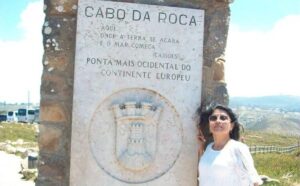
The connection between Lisbon and Rio de Janeiro is a profound historical and cultural dialogue that spans over five centuries, anchored by the Atlantic Ocean. This relationship, often called the “Atlantic Dialogue,” began with Portuguese colonization in 1500 and evolved into a complex exchange of people, ideas, art, and governance that shapes both cities today.
Historical Roots: From Colony to Capital
For nearly 300 years, Rio de Janeiro served as the capital of the Portuguese Empire (1763–1808, and briefly again in 1820–1821 when the royal court fled Napoleon). Before that, Lisbon was the administrative heart of the empire, directing the flow of gold, sugar, and enslaved people from Brazil.
When the Portuguese royal family fled to Brazil in 1808 to escape Napoleon’s invasion, Rio became the de facto capital of the empire. This unique reversal meant that for a brief period, the flow of power went from Lisbon to Rio, reversing the colonial dynamic. During this time, Rio was infused with Portuguese architecture, institutions, and culture, while Lisbon began to lose its monopoly on imperial administration.
Cultural and Linguistic Ties
Both cities share the Portuguese language, but their dialects have diverged in fascinating ways. Lisbon Portuguese is closer to the European standard, while Rio’s accent and vocabulary reflect indigenous, African, and indigenous influences, creating a distinct Afro-Brazilian Portuguese flavor.
Cultural exchange remains vibrant:
- Music: Fado (Lisbon) and Samba (Rio) are both UNESCO-recognized intangible heritage, often drawing parallels in their emotional depth and storytelling.
- Literature: Writers like Fernando Pessoa (Lisbon) and Clarice Lispector (Rio) are celebrated in both countries, with literary festivals often featuring authors from both sides.
- Cuisine: While distinct, both share ingredients like bacalhau (cod), which is prepared differently in each city, reflecting local tastes and traditions.
Modern Dialogues
Today, the “Atlantic Dialogue” is reimagined through:
- Educational partnerships: Universities in Lisbon and Rio collaborate on research, especially in climate change, oceanography, and urban planning.
- Art and film: Co-produced films and art exhibitions often explore shared colonial histories and contemporary identities.
- Diplomacy: Both cities host conferences on Lusophone (Portuguese-speaking) cooperation, strengthening ties across the Atlantic.
Challenges and Reflections
Despite the warmth of the connection, the relationship is not without tension. The
legacy of colonialism, slavery, and economic inequality still echoes in both cities. Modern dialogues often grapple with how to honor shared history while acknowledging the pain of exploitation.
Conclusion
Lisbon and Rio de Janeiro are bound by a deep, evolving conversation across the Atlantic. Their connection is not just a relic of the past but a living, breathing exchange that continues to shape art, politics, and identity in the 21st century. As both cities face global challenges like climate change and urbanization, their shared history offers a unique lens through which to view the future of the Lusophone world.