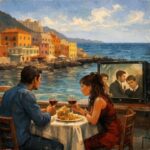
Dublin blends literary heritage with a vibrant modern spirit.
Georgian squares, cobbled lanes, and historic pubs meet a thriving café and music culture. It’s a city where stories echo from every corner, yet daily life flows with warmth and ease. From spring blossoms and summer festivals to coastal walks and contemporary design, Dublin’s rhythm always feels inviting.
Dublin in Perspective
Essays tracing places through history, culture, deeper currents, and the rhythms of daily life.

Dublin and Paris connection through James Joyce

Sligo: The Landscape of W.B. Yeats’ Soul

Dublin inspiration for writers and musicians

Practical Compass
Notes on hidden corners, local flavors, and ways to wander with ease.
What to See & Do
- Trinity College & Book of Kells — Ireland’s oldest university, home to the dazzling 9th‑century manuscript.
- Dublin Castle — Medieval towers and Georgian state rooms at the city’s historic heart.
- National Museum of Ireland — Free entry, world‑class collections from archaeology to decorative arts.
- Temple Bar — Cobblestoned quarter of pubs, galleries, and street performers; best enjoyed before night crowds.
- Kilmainham Gaol — A moving former prison central to Ireland’s independence story.
- Phoenix Park — Vast green space with resident deer, one of Europe’s largest city parks.
- Glasnevin Cemetery — Ireland’s answer to Buenos Aires’ Recoleta and Paris’ Père Lachaise, resting place of Collins, O’Connell, and many Irish greats.
What to Eat & Drink
- Irish Stew — Slow‑cooked lamb and root vegetables, hearty and warming.
- Full Irish Breakfast — A generous plate of bacon, sausages, eggs, puddings, and soda bread.
- Guinness — A pint in Dublin tastes richer than anywhere else.
Practical Tips for Slow Travelers
- Dublin is walkable; most sights are within 30 minutes on foot.
- Luas trams and buses are reliable and affordable.
- Accommodation can be pricey — book early, especially on weekends.
- Weather is changeable; pack layers and a waterproof.
- Dubliners are famously friendly — chatting in pubs is part of the culture.
- Best time: May–September for mild weather; St. Patrick’s Day is spectacular but crowded.
- Three to four days cover the city well; add a day trip to Wicklow, Glendalough, or the Cliffs of Moher.
Literary Echo – Wanderer of the Horizon
In this literary series, you follow a wanderer who drifts through cities the way others drift through thoughts.
He explores the world — not as a tourist, but as a witness to the quiet layers beneath everyday life.
His stories reveal rhythms, hidden places, and unexpected encounters that bring a place to life.
Wanderer Tale: Dublin Echoes
It is nine in the evening when I step into the pub. Outside, the night hangs like a dark cloak over Dublin, but inside, the light glows warm and inviting. Voices, laughter, and clinking pint glasses weave a chorus of everyday music. The scent of wood, smoke, and stout mingles into a memory that seems centuries old.