Brixia Unveiled: Why Brescia is the Ultimate Slow Travel Base in Northern Italy
While the world flocks to the canals and bridges of Venice and the romantic alleys of Verona, a quiet gem waits just an hour away by train, offering a far more authentic slice of Northern Italy. Brescia, known to the ancients as Brixia, is a city where Roman history is not confined to a museum but is woven into the very fabric of the urban landscape. For the slow traveler, Brescia offers a unique proposition: the depth of a major historical site without the crushing weight of overtourism, paired with an unbeatable strategic location for exploring the region’s most stunning lakes and cities.
Walking Among Giants: The Roman Heart of Brixia
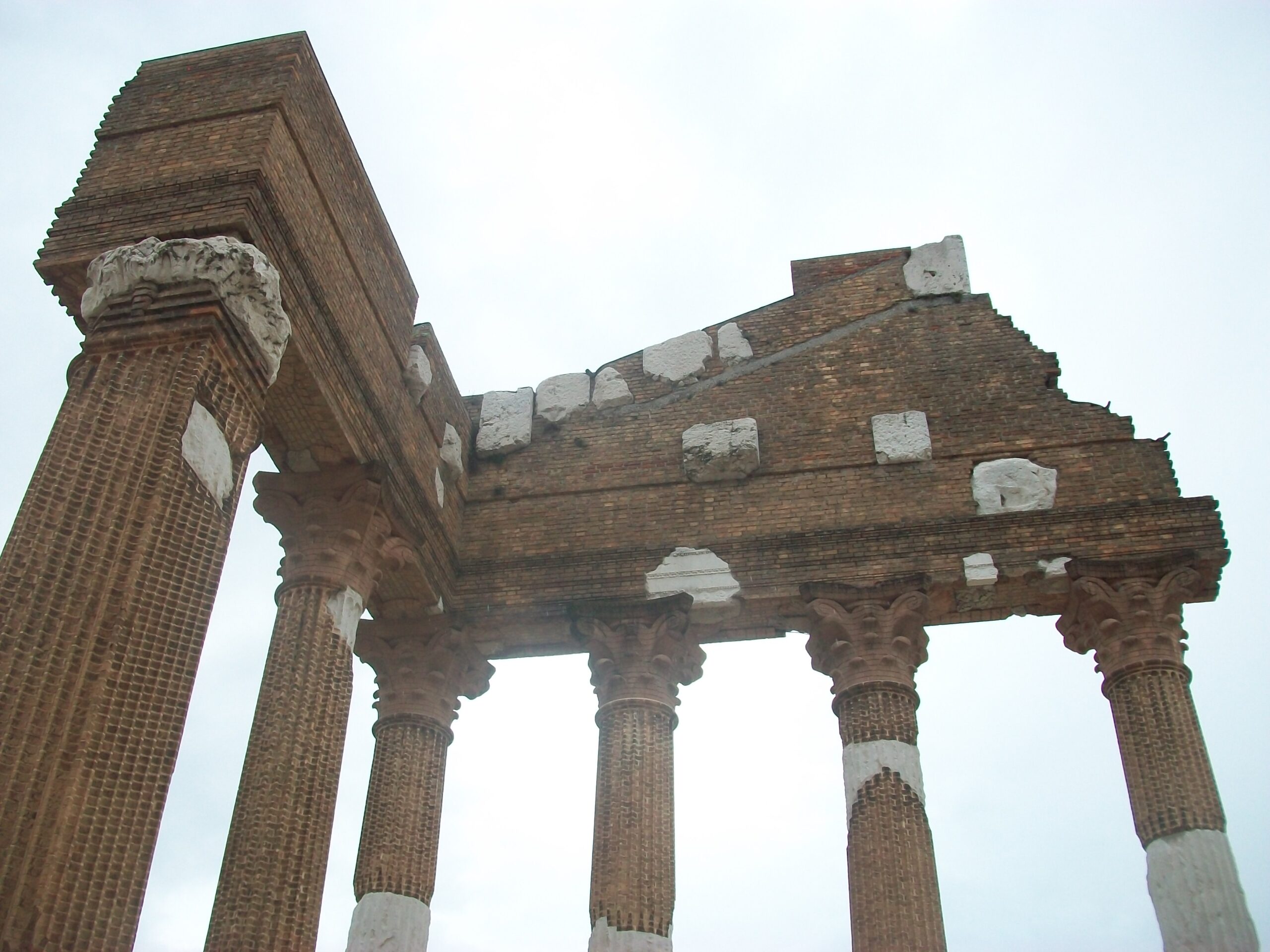
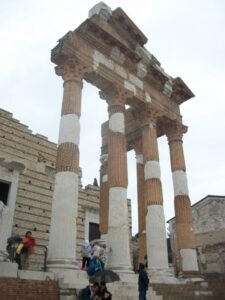
Brescia’s claim to fame lies in its exceptional preservation of Roman heritage, which earned the city center and the nearby Monte Cidneo fortress UNESCO World Heritage status. Unlike many Italian cities where Roman ruins are buried beneath centuries of medieval and Renaissance construction, Brescia’s Capitolium (Il Capitolium) stands proudly, a testament to the city’s importance in the Roman Empire. Built around 20 BC, this temple complex dedicated to Jupiter, Juno, and Minerva remains one of the best-preserved examples of its kind in Northern Italy.
The experience of visiting the Capitolium is deeply atmospheric. Located within the lush greenery of the Forum of Brixia, the site allows you to wander through the ancient ruins without the need for timed tickets or rushing against a crowd. You can walk the same stone paths as Roman citizens two millennia ago, looking up at the towering Corinthian columns that have survived earthquakes and wars. Adjacent to the temple, the Brescia Capitolium Museum houses the famous Victory of Brescia (Vittoria Alata), a bronze statue of the goddess Nike that is a masterpiece of Roman art, often compared to the Winged Victory of Samothrace.
Beyond the Capitolium, the Longobard Monastery of San Salvatore-Santa Giulia (another UNESCO site) sits on the ruins of the Roman forum. Here, the layers of history are palpable. You can see the transition from Roman foundations to Longobard architecture, creating a narrative of continuity that is rare to find. The complex itself is a former monastery that now serves as a vast museum, housing the “Brescia Gold,” a collection of intricate jewelry and artifacts. For the slow traveler, this is a place to linger. The spacious courtyards and quiet cloisters invite contemplation, allowing you to absorb the weight of history at your own pace.
The Slow Travel Advantage: Authenticity Without the Crowds
The primary allure of Brescia for the modern traveler is its lack of mass tourism. While Venice battles with cruise ship crowds and Florence deals with shoulder-to-shoulder tourists, Brescia feels like a living, breathing Italian city. The locals go about their daily routines, the coffee bars are filled with office workers rather than camera-wielding hordes, and the streets are safe and walkable. This authenticity allows for a genuine connection with the place. You can sit in a piazza in the historic center, watch the local life unfold, and enjoy a salamella (a local sausage) or a glass of Franciacorta wine without feeling like a spectacle.
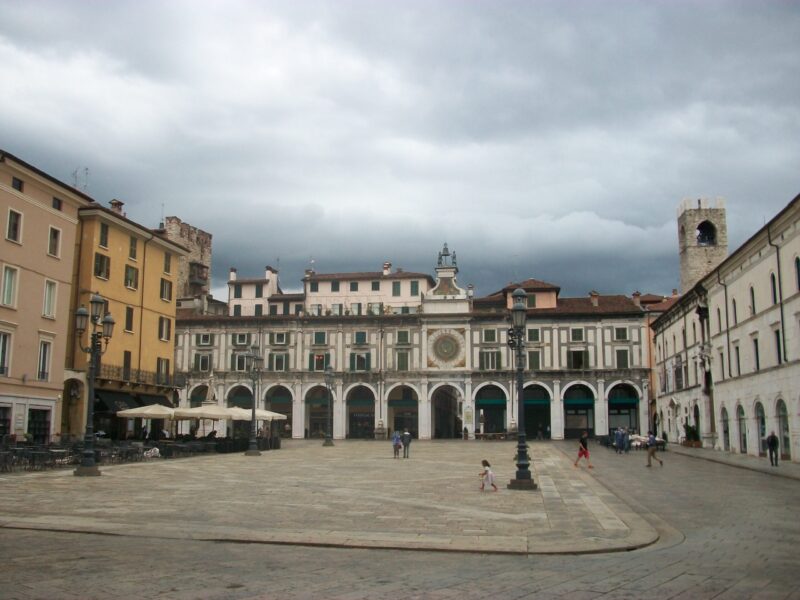
The pace of life here is inherently slower. There is no pressure to “see it all” in a day because there is no frantic checklist. The city rewards those who wander. A simple stroll from the Capitolium to the Piazza della Loggia, a stunning Renaissance square, reveals a city that has evolved gracefully over the centuries. The architecture shifts from Roman to Renaissance to Baroque, creating a visual timeline that is best appreciated by strolling rather than rushing.
The Perfect Hub: Lakes and City Escapes
While Brescia is a destination in its own right, its greatest asset for the slow traveler is its central location. It serves as an ideal launchpad for day trips, eliminating the need to pack and unpack every night.
The Lakes of Iseo and Garda are just a short drive or train ride away. Lake Iseo, often overshadowed by its famous neighbors, offers a more intimate and wild experience. It is home to Monte Isola, the largest lake island in Europe, which is car-free and perfect for hiking. A day trip here feels like discovering a secret. Lake Garda, to the east, is larger and more developed but still offers charming villages like Sirmione and Malcesine that are easily accessible from Brescia. The train connections make these escapes seamless, allowing you to spend a morning in the Roman ruins and an afternoon by the water.
A direct train takes you to Venice Santa Lucia in about an hour and a half. You can enjoy a day exploring the canals and return to the quiet of Brescia for the evening, avoiding the high prices and noise of staying overnight in the lagoon.
Verona: Just 45 minutes away by train, Verona offers the Arena, Juliet’s House, and a romantic atmosphere. Doing a day trip from Brescia allows you to experience the city without the tourist trap pricing of the hotels.
Bergamo: The historic *Città Alta* of Bergamo is a short train ride away, offering a medieval hilltop experience with stunning views of the surrounding plains.
Conclusion
Brescia is a city that respects the traveler’s time and desire for authenticity. It offers the profound experience of Roman history in a setting that remains unspoiled by the crowds plaguing other Italian destinations. Whether you are exploring the ancient Capitolium, savoring local Franciacorta wine, or using the city as a base to explore the serene beauty of Lake Iseo or the grandeur of Venice, Brescia provides the perfect balance. For the slow traveler, it is not just a stopover; it is a sanctuary where history and modern life coexist in perfect harmony.
Roman Brescia: Second Only to Rome
Brescia, once Brixia, holds the largest Roman archaeological area in northern Italy. Its Capitolium temple, Roman theater, and forum form a UNESCO World Heritage site, making it the most extensive Roman complex outside Rome itself.
Capitolium Temple (73 AD): Built under Emperor Vespasian, still standing with grandeur.
Roman Theater: One of the largest in northern Italy, seating up to 15,000.
Forum: The civic heart of ancient Brixia.
Together, these ruins make Brescia a living museum—second only to Rome in scale and preservation.
 Brescia, once Brixia, holds the largest Roman archaeological area in northern Italy. Its Capitolium temple, Roman theater, and forum form a UNESCO World Heritage site, making it the most extensive Roman complex outside Rome itself.