Buenos Aires: Where European Elegance Meets Latin Passion
Buenos Aires, the capital of Argentina, is a city of contrasts and contradictions. It is a metropolis that pulses with the energy of Latin America, yet its architecture, culture, and even its pace of life bear the unmistakable imprint of its European heritage. From the cobblestone streets of San Telmo to the colorful houses of La Boca, from the grand boulevards of Recoleta to the haunting beauty of its famous cemetery, Buenos Aires is a city that invites exploration and rewards the curious traveler. But perhaps the most iconic symbol of Buenos Aires is the tango, a dance that embodies the city’s soul — a blend of melancholy, passion, and resilience. This article delves into the heart of Buenos Aires, exploring its European roots, the vibrant neighborhoods of San Telmo and La Boca, the haunting allure of the Recoleta Cemetery, the rich culinary scene, and the must-see attractions that make this city one of the most captivating in South America.
The European Influence: A City Shaped by Immigrants
Buenos Aires’ identity is deeply rooted in its European heritage. In the late 19th and early 20th centuries, the city experienced a massive wave of immigration, primarily from Italy and Spain, but also from France, Germany, and other parts of Europe. These immigrants brought with them their languages, customs, and architectural styles, which profoundly shaped the city’s character. The result is a city that feels more like Paris or Barcelona than any other capital in South America.
The grand boulevards, such as Avenida de Mayo and Avenida 9 de Julio, are lined with ornate buildings that reflect the Beaux-Arts and neoclassical styles popular in Europe at the time. The city’s cafes, known as *cafés con historia*, are reminiscent of those in Vienna or Paris, with their marble tables, chandeliers, and the aroma of strong espresso. The influence of Europe is also evident in the city’s cuisine, where Italian pasta and Spanish tapas are as common as traditional Argentine dishes.
The European influence is perhaps most apparent in the city’s cultural life. Buenos Aires is known as the “Paris of South America” not just for its architecture, but for its love of literature, theater, and the arts. The city’s intellectuals and artists have long drawn inspiration from European thought, and the city’s literary scene is one of the most vibrant in the world. The European influence is not just a relic of the past; it continues to shape Buenos Aires’ identity, making it a unique blend of Old World elegance and New World energy.
San Telmo: The Heartbeat of Buenos Aires’ History
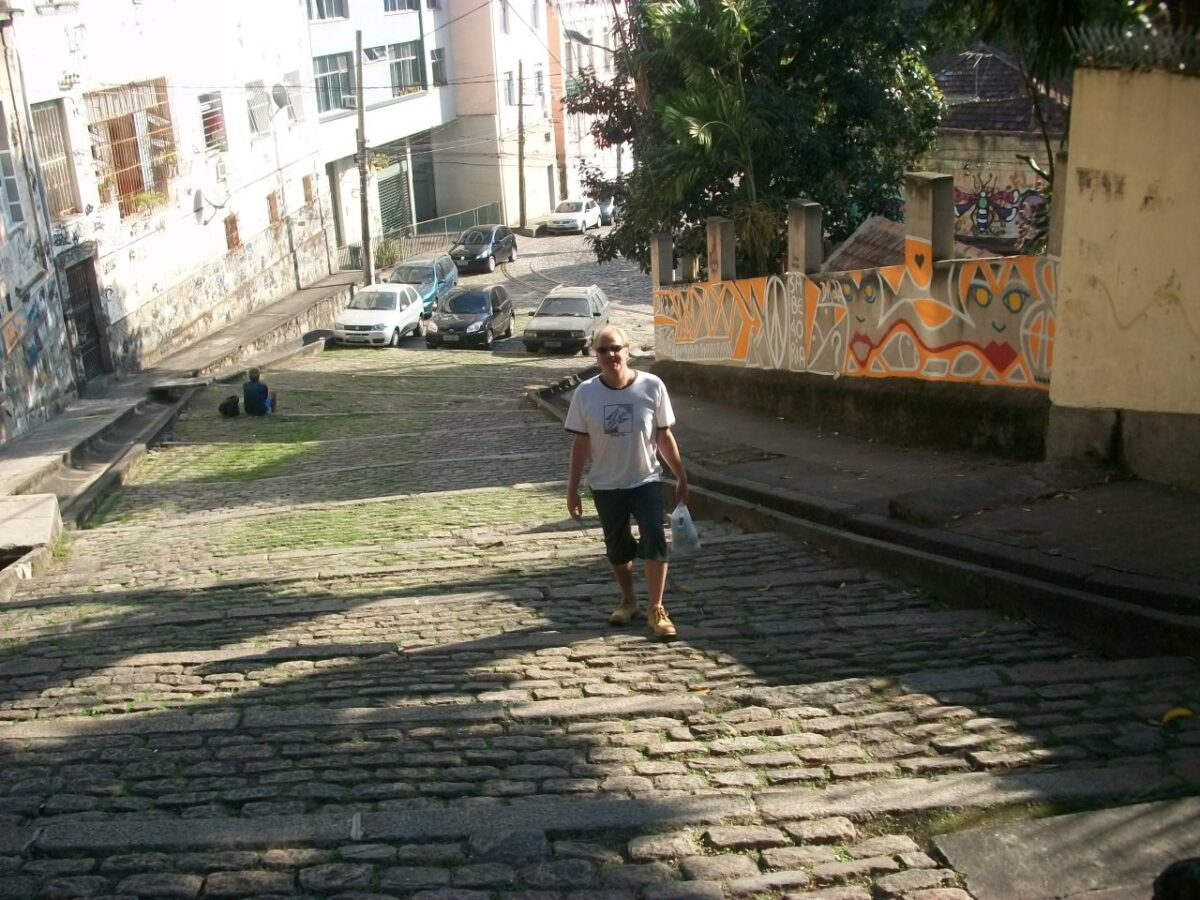
San Telmo is one of the oldest neighborhoods in Buenos Aires, and it is here that the city’s history and soul are most palpable. The neighborhood’s cobblestone streets, colonial-era buildings, and antique shops create an atmosphere that is both nostalgic and vibrant.
San Telmo is the birthplace of the tango, and its narrow alleys and hidden courtyards are said to have been the backdrop for the dance’s earliest performances. Today, the neighborhood is a haven for artists, musicians, and bohemians, who are drawn to its charm and authenticity.
The Sunday San Telmo Market is a must-visit for any traveler. Held on Plaza Dorrego, the market features hundreds of stalls selling antiques, crafts, and souvenirs, as well as street performers who keep the tango alive with their passionate dances. The market is also a great place to sample local food, from empanadas to choripán. Beyond the market, San Telmo offers a wealth of cultural experiences. The neighborhood is home to numerous museums, including the Museo de Arte Moderno and the Museo de la Ciudad, which showcase the city’s artistic and historical heritage. The streets of San Telmo are also lined with cafes and restaurants, where visitors can enjoy a leisurely meal or a glass of wine while soaking in the neighborhood’s atmosphere.
For those interested in the tango, San Telmo offers numerous milongas, or tango dance halls, where locals and tourists alike can dance the night away. The neighborhood’s charm lies in its ability to blend the old with the new, creating a place that is both historic and alive with energy.
The Tango: The Soul of Buenos Aires
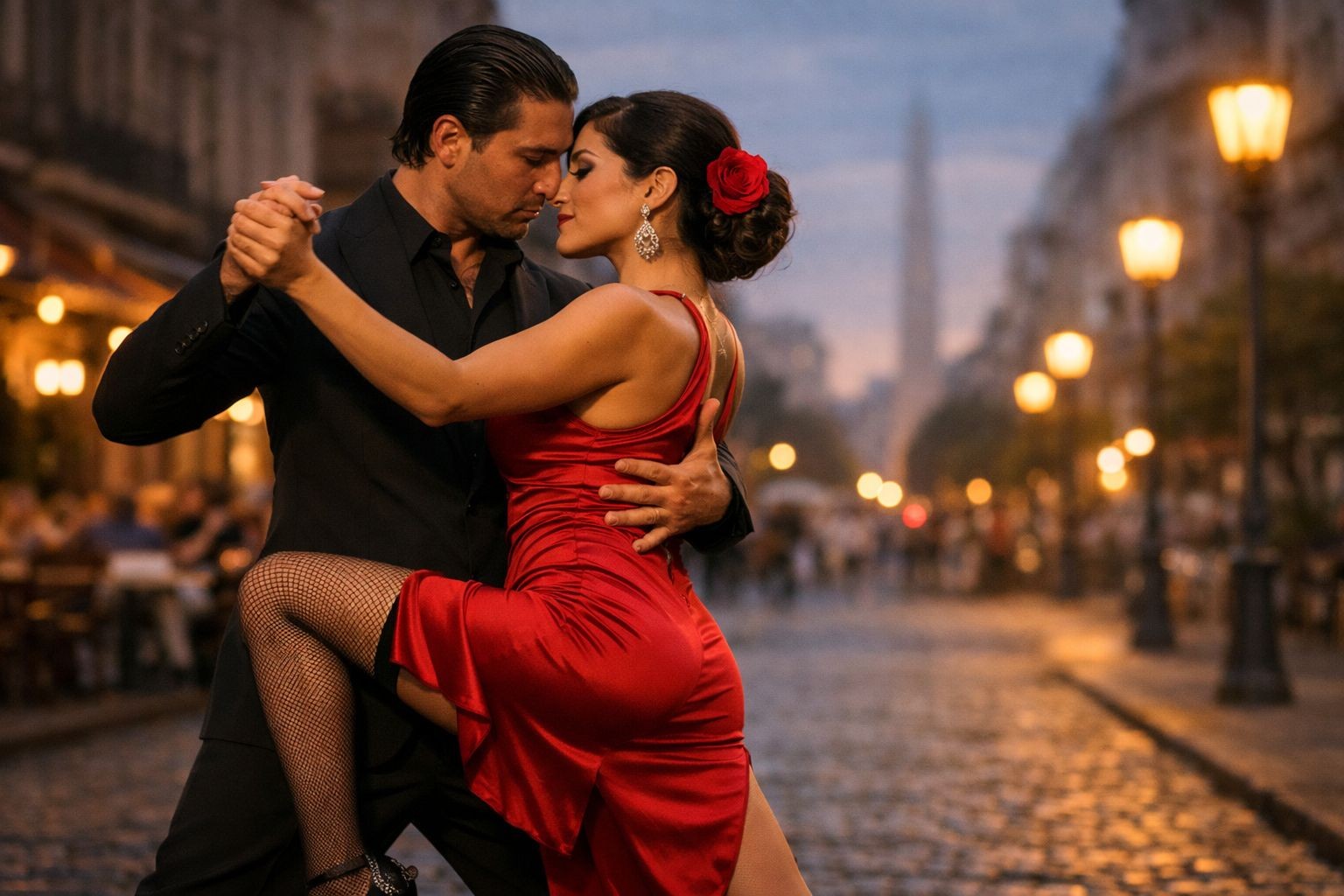
The tango is more than just a dance; it is the soul of Buenos Aires. Born in the working-class neighborhoods of the city in the late 19th century, the tango is a fusion of African, European, and indigenous influences. The dance is characterized by its passionate movements, dramatic poses, and intricate footwork, and it is often accompanied by mournful melodies that reflect the city’s history of longing and loss. The tango is deeply ingrained in Buenos Aires’ culture, and it can be seen and heard throughout the city. From the street corners of San Telmo to the elegant milongas of Recoleta, the tango is everywhere. For travelers, experiencing the tango is a must. There are numerous ways to enjoy the dance, from watching a professional show to taking a lesson or even dancing at a milonga. The city’s milongas are open to all, and visitors are welcome to join in, whether they are experienced dancers or complete beginners. The tango is not just a dance; it is a way of life in Buenos Aires, and experiencing it is an essential part of any visit to the city.
La Boca: A Kaleidoscope of Color and Culture
La Boca is perhaps the most visually striking neighborhood in Buenos Aires, with its brightly painted houses and vibrant street art. The neighborhood’s most famous street, Caminito, is a pedestrian walkway lined with colorful buildings that were once painted by local residents using leftover paint from the nearby shipyards. Today, Caminito is a popular tourist destination, with its shops, cafes, and street performers creating a lively atmosphere. La Boca is also home to the iconic La Bombonera stadium, home of the Boca Juniors football club. The stadium is a symbol of the neighborhood’s passion for football, and a visit to a match is an unforgettable experience for any sports fan. Despite its popularity with tourists, La Boca retains a strong sense of community, and its residents are proud of their neighborhood’s heritage. The neighborhood’s history is closely tied to its immigrant roots, particularly the Italian immigrants who settled here in the late 19th century. This heritage is evident in the neighborhood’s cuisine, which features Italian-inspired dishes such as pasta and pizza. La Boca is also known for its tango, and the neighborhood’s streets and courtyards have been the setting for countless performances. The neighborhood’s energy and vibrancy make it a must-visit for any traveler to Buenos Aires.
The Recoleta Cemetery: A City of the Dead
The Recoleta Cemetery is one of Buenos Aires’ most iconic and hauntingly beautiful sites. Located in the upscale neighborhood of Recoleta, the cemetery is the final resting place of many of Argentina’s most prominent figures, including Eva Perón, whose tomb is one of the most visited in the cemetery. The cemetery is a city of the dead, with its ornate mausoleums and statues creating a surreal and captivating landscape. The mausoleums, which range from neoclassical to Art Nouveau, are a testament to the wealth and status of those buried here. The cemetery is also a place of great historical and cultural significance, as it reflects the city’s European heritage and its love of art and architecture. A visit to the Recoleta Cemetery is a must for any traveler to Buenos Aires, as it offers a unique glimpse into the city’s history and culture. The cemetery is open to the public, and visitors can explore its winding paths and admire its stunning monuments. The cemetery is also a popular spot for locals, who come to pay their respects to their loved ones and to enjoy the peaceful atmosphere. For those interested in the history of Argentina, the Recoleta Cemetery is a fascinating and moving experience.
What to Eat: A Culinary Journey Through Buenos Aires
Buenos Aires is a food lover’s paradise, with a culinary scene that reflects its diverse cultural heritage. The city’s cuisine is a fusion of European and Latin American influences, resulting in a rich and varied gastronomic landscape. The most iconic dish in Buenos Aires is the asado, a traditional Argentine barbecue that features a variety of meats, including beef, pork, and sausages, cooked over an open fire. The asado is a social event, and it is often enjoyed with friends and family. Another must-try dish is the empanada, a savory pastry filled with meat, cheese, or vegetables. Empanadas are a popular street food and can be found in cafes and restaurants throughout the city. The city is also known for its pasta, which is a legacy of its Italian heritage. Dishes such as spaghetti, ravioli, and lasagna are staples of the Buenos Aires diet. For dessert, visitors should try the dulce de leche, a sweet, caramel-like spread that is used in a variety of sweets and pastries. The city’s cafes are also a must-visit, as they offer a chance to experience the city’s café culture. Buenos Aires is known for its strong coffee, and visitors can enjoy a cup while watching the world go by. The city’s culinary scene is diverse and vibrant, and there is something to suit every taste.
Things to Do: Exploring the City
Buenos Aires offers a wealth of activities for travelers, from cultural experiences to outdoor adventures. The city is home to numerous museums, including the Museo Nacional de Bellas Artes, which houses an impressive collection of Argentine and international art, and the Museo de Arte Latinoamericano de Buenos Aires (MALBA), which focuses on Latin American art. The city’s theaters are also a must-visit, as they offer a wide range of performances, from tango shows to plays and musicals. For those interested in the city’s history, a visit to the Casa Rosada, the presidential palace, is a must. The building is open to the public, and visitors can tour its grand halls and learn about the city’s political history. The city’s parks and green spaces are also a great place to relax and enjoy the outdoors. The Parque Tres de Febrero, also known as the “Bosques de Palermo,” is a large park that features gardens, lakes, and walking paths. The park is a popular spot for locals, and visitors can enjoy a picnic or a leisurely stroll. For those interested in shopping, the city’s boutiques and markets offer a wide range of goods, from handmade crafts to designer fashion. Buenos Aires is a city that offers something for everyone, and its diverse attractions make it a must-visit destination.
Practical Tips for Visitors
To make the most of your visit to Buenos Aires, it is important to be prepared. The city is relatively safe, but it is advisable to take precautions, such as avoiding walking alone at night and keeping valuables out of sight. The city’s public transportation system is efficient and affordable, and it is a great way to get around. The subway, known as the “subte,” is clean and easy to use, and it connects the city’s major neighborhoods. The city’s buses are also a good option, and they offer a chance to see the city from a different perspective. For those interested in the tango, it is recommended to book tickets for a show in advance, as they can fill up quickly. The city’s cafes are a great place to relax and enjoy a meal, and visitors should try the local coffee and pastries. The city’s weather can be unpredictable, so it is advisable to bring layers and an umbrella. With careful planning and preparation, a visit to Buenos Aires can be a life-changing experience, offering a glimpse into the remarkable world of this vibrant and captivating city.