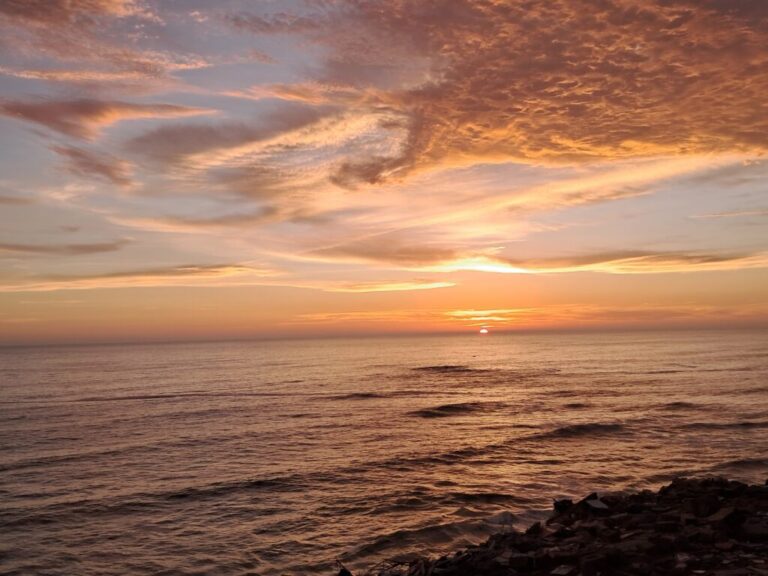
Liguria, the narrow ribbon of land hugging Italy’s northwest coast, is defined by the sea and the mountains that press right up against it. Its capital, Genoa, acts as the great divide, splitting the region into two distinct worlds: the Riviera di Levante (where the sun rises) to the east, and the Riviera di Ponente (where the sun sets) to the west. While both share the same dramatic backdrop of terraced hills and azure waters, they offer vastly different atmospheres, histories, and travel experiences.
Riviera di Levante: The Rising Sun
To the east of Genoa, the Levante is often described as the more rugged, wild, and picturesque side of Liguria. The coastline here is characterized by steep cliffs dropping into deep blue waters, creating natural harbors and intimate coves that feel untouched by time.
The Highlights
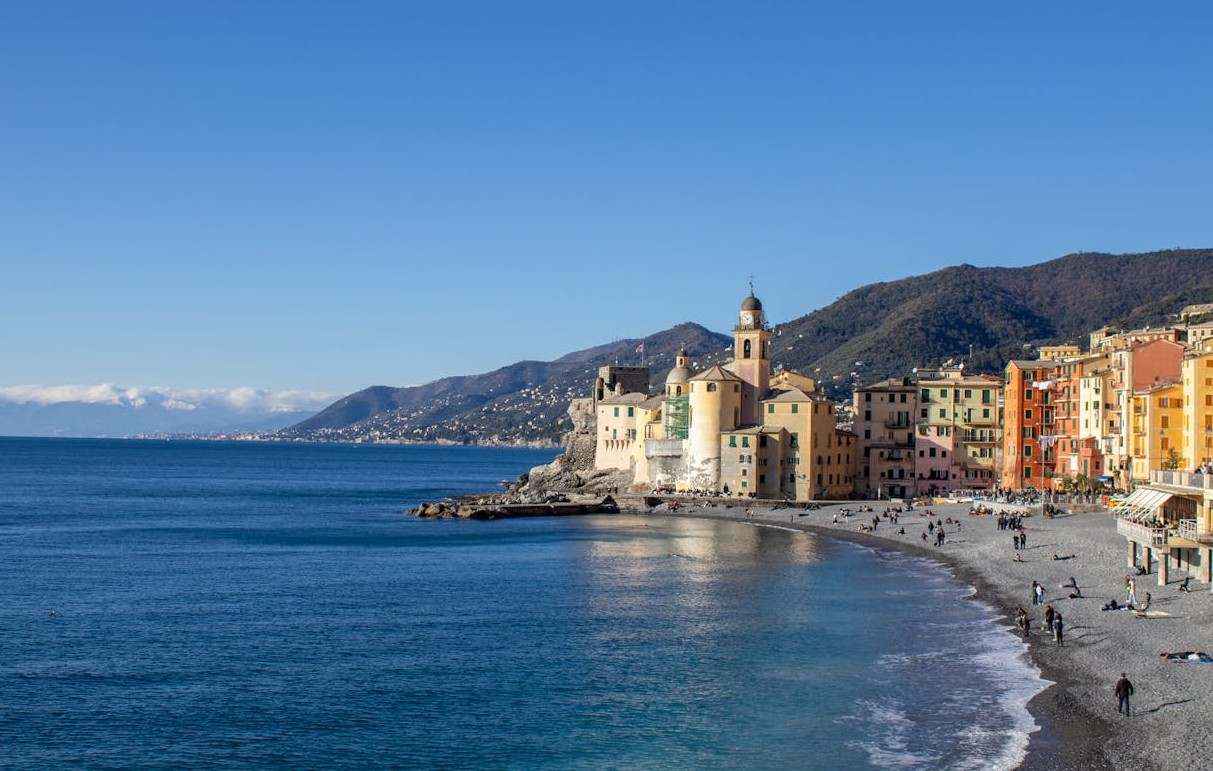
Camogli: The name probably comes from Casa dei Mogli (house of the wives who were left behind when fishermen set sail). Camogli is famous for its pastel-colored houses cascading directly onto the pebbly beach. It retains an authentic fishing village charm, less commercialized than its neighbors.
Portofino: Perhaps the most iconic image of the Italian Riviera. This tiny, glamorous harbor is surrounded by luxury boutiques and high-end restaurants, yet its core remains a cluster of colorful buildings hugging a tiny bay.
Rapallo: A bustling yet elegant town that balances tourism with local life. It is known for its castle (Castello sul Mare) and its long history as a resort for artists and writers.
Cinque Terre: The crown jewel of the Levante. Five ancient villages—Monterosso, Vernazza, Corniglia, Manarola, and Riomaggiore—are perched on precarious cliffs, connected only by hiking trails and trains. They represent the ultimate harmony between human ingenuity and nature.
The Levante feels like a secret garden. The hills are steeper, the paths more challenging, and the sense of discovery is constant.
Riviera di Ponente: The Setting Sun
Crossing Genoa to the west, the landscape softens. The Ponente stretches for miles with wider sandy beaches, gentle slopes, and a climate so mild it allows for the cultivation of flowers
(the region is a major producer of jasmine and roses) and tropical fruits. It feels more spacious, more relaxed, and historically geared towards leisure.
The Highlights
San Remo: The “City of Flowers,” famous for its casino, the annual music festival, and its long promenade lined with palm trees. It has a distinct Art Nouveau flair and a cosmopolitan vibe.
Alassio: Renowned for its “Muretto di Alassio,” a wall signed by countless celebrities who have visited the town. It boasts a broad, fine-sand beach, a rarity in Liguria, making it family-friendly.
Laigueglia: A charming fishing village that manages to keep its authentic character despite its popularity. It features a medieval castle overlooking a pristine beach and a relaxed, slow-paced atmosphere.
Varazze: One of the oldest towns on the coast, known for its historic medieval center and a long, sandy beach. It is a great base for exploring the hinterland and the Ligurian Alps.
Slow Travel Tips for Liguria
To truly experience the soul of Liguria, you must abandon the rush. Here is how to embrace the art of slow travel in both regions:
Walk the High Trails: Instead of sticking to the crowded coastal paths, hike the Alta Via dei Fiori in the Ponente or the Sentiero Azzurro (when open) in the Cinque Terre. The views from above are where the landscape truly reveals itself.
Take the Boat: In the Levante, the only way to see the coastline in its full glory is by sea. Rent a small boat or take a ferry from Camogli to Portofino or the Cinque Terre. The perspective from the water changes everything.
Embrace the “Sagra”: In both regions, look out for local food festivals (sagre). Whether it’s a chestnut festival in the mountains of the Ponente or a focaccia celebration in a Levante village, these are the heart of local life.
Stay in the Hinterland: The most magical Ligurian experiences often happen just a few kilometers inland. Stay in a farmhouse (agriturismo) in the hills above Rapallo or San Remo. You’ll wake up to the scent of pine and lemon trees, far from the tourist rush.
Eat Local, Eat Simple: Don’t chase Michelin stars. Find a small trattoria where the menu changes daily based on the catch. Order trofie al pesto (the region’s signature pasta) and a glass of local white wine like Vermentino or Cinque Terre.