Amsterdam often appears in travel brochures as a tidy cluster of canals, tulips, and museums, but beneath that postcard surface is a city with stubborn history, a distinctive cultural pulse, and art that shaped Europe. This article invites you to move slowly through Amsterdam’s layers—its Golden Age wealth, its painters and workshops, its everyday neighborhoods, and the best ways to savor the place without rushing.
Why Amsterdam matters: a brief look at history and culture
Amsterdam’s story is a study in reinvention: a small fishing village became a mercantile powerhouse in the 17th century, then weathered wars, rapid modernization, and waves of immigration. The city’s identity blends mercantile pragmatism with a surprising generosity toward the arts and social experimentation.
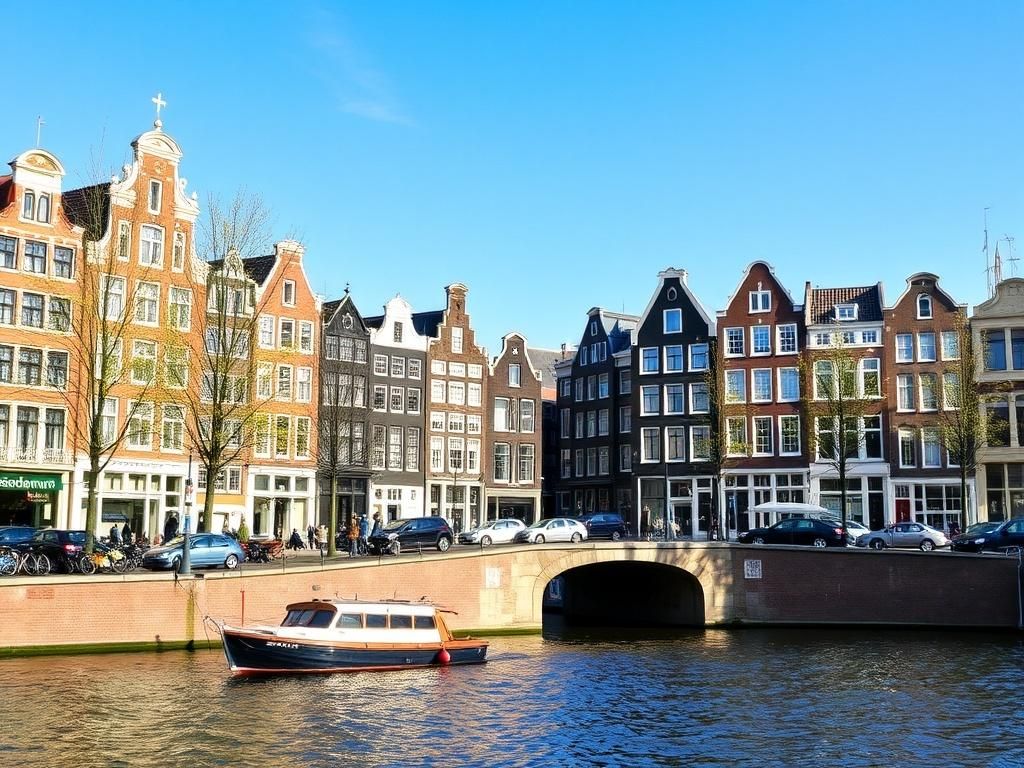
That 17th-century transformation—often called the Dutch Golden Age—left the canals, warehouses, and merchant houses that define the central ring today. Those structures are not museum props; they still host homes, cafes, and small businesses, which keeps the past in daily circulation.
Culturally, Amsterdam has long tolerated creative diversity and political experiments, from religious toleration in centuries past to the liberal social policies of modern times. Housing policies, public space debates, and the city’s layered neighborhoods all reflect a civic approach to living together that’s both practical and lively.
The Golden Age and Amsterdam painters
The city’s prosperity in the 1600s fueled a booming art market. Unlike the courtly commissions of other European capitals, many Dutch works were made for private collectors—merchants who wanted portraits, landscapes, and scenes of ordinary life that reflected status and taste. This demand helped produce several artists who remain essential to Western art.
Rembrandt van Rijn is the most famous name tied to Amsterdam. He arrived here in the early 1630s and built a workshop, a dramatic style, and a reputation for psychological depth. His masterpieces—most notably The Night Watch—are a central reason visitors seek out the Rijksmuseum and Rembrandt’s house on the Jodenbreestraat.
Though Vincent van Gogh is often associated with broader Dutch identity, his mature work took shape largely in France; still, Amsterdam now holds the largest Van Gogh collection in the Van Gogh Museum. The museum lets you trace Van Gogh’s trajectory and see how color and brushwork pushed painting toward modernism.
Beyond Rembrandt and Van Gogh, Amsterdam’s art scene supported portraitists, landscape painters, and genre specialists—artists like Gerrit Dou and Jan Steen—whose intimate domestic scenes reveal social customs, humor, and the textures of everyday life in the Golden Age.
Rembrandt’s Amsterdam: studios, students, and the Night Watch
Rembrandt’s workshop was a cultural hub. He taught pupils, took on commissions, and experimented with etching and light. Walking through the Rembrandt House Museum, you can see the workspace, reconstructed prints, and tools that hint at the daily labor behind masterpieces.
The Night Watch—a monumental civic militia portrait—is an Antwerp-born legend now anchored in the Rijksmuseum. Seeing it in person gives a sense of the theatricality and civic pride that Dutch urban elites commissioned to display their power and community spirit.
Van Gogh and the path to modern art
Van Gogh’s work is a bridge between academic painting and the bold modern movements that followed. The Van Gogh Museum presents the artist’s letters, sketches, and paintings in a narrative that clarifies how his vision developed amid personal hardship and obsession with color.
Visitors often find the museum emotionally intense; the paintings are intimate and direct. For a slow traveler, lingering over a handful of canvases—rather than trying to rush through a checklist—yields a deeper sense of Van Gogh’s process and passion.
Museums and galleries: where to go and how to move through them
Amsterdam’s museum density is remarkable. Within a compact area you’ll find the national museum, a modern art collection, a world-class Van Gogh trove, and smaller, specialized museums that illuminate slices of the city’s social life. Choosing what to see—and how long to stay—matters more than ticking boxes.
For slow travelers, the idea is simple: pick fewer museums and spend more time with each. Many Amsterdam institutions allow timed entries, so book ahead for peak spots like the Anne Frank House and the Van Gogh Museum. This minimizes waiting and creates a calmer rhythm to your day.
Museum
Why go
Tip for slow travelers
Rijksmuseum
Houses the Night Watch and a vast collection of Dutch Golden Age art.
Focus on one gallery or one artist per visit and sit in the museum café to read labels slowly.
Van Gogh Museum
World’s largest collection of Van Gogh paintings and letters.
Book a quiet morning slot; revisit a favorite canvas in the late afternoon.
Anne Frank House
Personal, moving account of wartime Amsterdam and Jewish history.
Purchase tickets online in advance and leave time to sit by the canal afterward.
Stedelijk Museum
Modern and contemporary art and design.
Explore one temporary show rather than the entire permanent collection.
Smaller museums worth slowing for
Not every museum needs to be grand. Rembrandt House, the Tropenmuseum, and the Jewish Historical Museum offer focused stories that reward unhurried attention. These venues often have quieter galleries and more intimate atmospheres.
For design and daily life, the Amsterdam Museum and the Museum Het Grachtenhuis (canal museum) shed light on the city’s civic evolution. Taking time in these spaces helps you understand how architecture, trade, and social policy shaped modern Amsterdam.
Important attractions for visitors beyond the museums
Attractions in Amsterdam extend beyond museums into neighborhoods, markets, and the city’s distinctive waterways. Some of the most memorable experiences come from simply wandering the canal belt, exploring an open-air market, or sitting in a small brown cafe with locals.
Here are essentials that many visitors enjoy: the canal ring (a UNESCO World Heritage site), the Jordaan neighborhood with its narrow lanes and galleries, the vibrant De Pijp area, and the Vondelpark—a green lung perfect for lingering. Each offers a different glimpse of Amsterdam life.
Canal ring (Grachtengordel): architecture, canal houses, and scenic bridges.
Jordaan: galleries, boutique shops, and local eateries.
De Pijp: multicultural markets and a young, relaxed café scene.
Vondelpark: people-watching, picnicking, and outdoor concerts in summer.
Albert Cuyp Market: street-food stalls and daily market energy.
Walking the canals at dawn or dusk is an activity that needs no museum ticket. The light on brick facades and the slow motion of houseboats creates a cinematic mood—one that most guidebooks underplay. For a slow traveler, these hours often become the most memorable.
Anne Frank House and why it still matters
The Anne Frank House is intimate, restrained, and emotionally exacting. The secret annex where Anne wrote her diary is presented with reverence, and the museum’s displays link personal testimony to broader wartime contexts.
Plan ahead: timed entries are essential, and the museum runs capacity limits to preserve the atmosphere. After your visit, step out into the canal district and let the history settle before you continue your day.
Markets, food, and local rhythm
Markets like the Albert Cuyp and Noordermarkt are excellent for slow travel: you can sample stroopwafels, regional cheeses, and seasonal produce while listening to the sounds of the neighborhood. Food anchors the daily life of locals, and dipping into these markets gives a practical, flavorful perspective on Amsterdam culture.
Brown cafes—small, wood-paneled bars—offer a cozy place to read, sketch, or chat. They are less about nightlife spectacle and more about communal warmth, and they reward the visitor who slows down and orders a single beer or cup of coffee.
Architecture, canals, and the city’s layout
The concentric canals—the Grachtengordel—are both practical infrastructure and visual poetry. They were dug for defense, land reclamation, and trade, and they produced a distinctive pattern of narrow, tall canal houses with gabled facades. The result is a walkable city center where each street tells a story.
Architectural details are plentiful: ornate gables, houseboats moored along the quays, and former warehouse conversions. Spend time looking up at the cornices and imagining how these houses were adapted over centuries to changing needs.
Urban design today balances heritage preservation with contemporary life. Tram lines glide around historic streets, modern apartments fit into courtyards, and small shops occupy ground floors—this mix makes wandering feel like uncovering layers rather than stepping into a preserved stage set.
Public spaces and parks
Vondelpark is the city’s most famous green space and a destination for slow afternoons. Locals picnic, jog, and attend free concerts. Lesser-known parks like Oosterpark and Westerpark offer quieter corners and neighborhood events, especially on weekends.
These parks serve as social living rooms where the pace of the city softens, and they’re perfect for reading, sketching, or planning the next slow stop on your itinerary.
Practicalities: moving around, money, and manners
Amsterdam is compact and mostly flat—perfect for walking and cycling. Bicycles are a primary mode of transport, and riders expect pedestrians to be predictable. If you rent a bike, treat traffic rules with respect and avoid the tram tracks’ grooves, which can catch tires.
Public transportation—trams, buses, and metro—runs efficiently. The OV-chipkaart system manages fares across modes. For short stays, you can also rely on single-trip tickets or contactless payment on trams and buses, but check current options before travel.
Cash is less common than cards, especially contactless. Many cafes and small shops accept card payments, but a few local stalls may prefer cash. Tipping is modest in the Netherlands; rounding up or leaving 5–10% for good service is appreciated, but it isn’t mandatory.
Safety and respectful behavior
Amsterdam is generally safe, but pickpocketing can occur in crowded areas. Keep valuables secure when on busy trams or in markets. Respect local rules around cannabis and sex-industry districts: what’s legal is often regulated, and visitors should act sensibly and quietly.
Photography in certain museums and interior spaces may be restricted. Always check signs and follow staff instructions, especially in sensitive sites like the Anne Frank House.
Why Amsterdam is worth a visit: deeper reasons than the postcards
Beyond the canals and tulips, Amsterdam rewards visitors who appreciate layered histories, artistic innovation, and civic imagination. It’s a city where public space and private life intertwine in unexpected ways, from floating houseboats to neighborhood markets.
Culturally, Amsterdam blends the provincial and the cosmopolitan: you can find both centuries-old guild paintings and experimental contemporary galleries on the same stroll. That continuity of artistic life matters; it makes the city feel inhabited by its own past rather than staged for tourists.
For many visitors, the city’s human scale is the real attraction. Streets are walkable, conversations happen in cafes, and even the busiest museums encourage moments of quiet reflection. That’s why slow travel fits Amsterdam especially well.
Tips for slow travelers: how to savor Amsterdam
Slow travel in Amsterdam means choosing depth over breadth. Stay in one neighborhood for several days, resist a frantic “see everything” impulse, and adopt a daily rhythm that allows mornings for museums and afternoons for wandering or resting.
Here are practical, travel-tested tips to help you slow down and enjoy the city:
Base yourself in a neighborhood: Jordaan or De Pijp give different flavors but both provide bakery mornings and friendly cafes.
Book timed tickets for major museums in advance to avoid queues and plan a relaxed morning or late afternoon visit.
Rent a bike for neighborhood exploration but walk for canal-side charm; combine both to vary pace.
Reserve at least one unstructured day to follow local routines: a market visit, a slow canal cruise, and a long café stop.
Use slow meals as cultural moments—try a brown café for lunch, visit a cheese shop, and sample Indonesian rijsttafel for dinner.
My own slow-travel experience came on a rainy November afternoon when I lingered in a canal-side cafe with a notebook and watched light smear across wet brick. That quiet hour—far more than a checklist visit to three museums—shaped my memory of Amsterdam. Slow travel opens these small hours in ways rigid itineraries cannot.
Where to stay for slow travel
Choose accommodation that feels like a neighborhood home rather than a transit hub. Small guesthouses, family-run B&Bs, or apartments along quieter canals offer a better sense of daily life. These options encourage you to buy breakfast from the local bakery and shop at the corner grocer—activities that reveal more about the city than any guided tour.
Consider staying in Amsterdam Noord for a different perspective: a short ferry ride away, it has creative spaces, waterfront views, and fewer tourist crowds. For classic canal living, the Jordaan places you within easy walking distance of galleries and markets.
Slow itinerary suggestions
Here are three suggested paces depending on how much time you have. Each emphasizes unhurried discovery over forced ticking off of landmarks.
Three days: Day 1—Rijksmuseum + Van Gogh with a relaxed canal walk; Day 2—Anne Frank House, Jordaan, and an evening in a brown café; Day 3—Vondelpark and a market visit.
Five days: Days 1–3 as above; Day 4—day trip to Haarlem or Zaanse Schans for windmills; Day 5—museum of your choice and a slow afternoon in De Pijp.
Seven days: Spend additional days exploring East Amsterdam, visiting the Tropenmuseum, a guided canal-history walk, and a slow day in Noord with art spaces and the EYE Film Museum.
Food, drink, and cultural tastes
Dutch cuisine is straightforward and comforting: think bread, cheese, smoked fish, and hearty stews. Amsterdam’s culinary scene goes beyond tradition, reflecting the city’s colonial history and multicultural population through Indonesian, Surinamese, and Middle Eastern influences.
Sampling food markets and small eateries is essential for slow travelers. Seek out local specialties—bitterballen for a savory snack, stroopwafels warm from the market stall, and Dutch cheeses sampled at a dedicated shop. A well-paced meal in a neighborhood restaurant can be a cultural lesson in itself.
Cafes, bars, and the coffee culture
Coffee culture in Amsterdam is eager and convivial. Specialty coffee shops and historic cafes coexist, making it easy to find a place to sit for an hour and watch the city go by. Brown cafes serve as informal community centers where locals read papers and discuss daily life.
If you want a memorable slow evening, find a canal-side table as lights reflect on the water. Ordering a single drink and lingering—reading, people-watching, or sketching—lets you inhabit the city’s slower tempo.
Events, music, and festivals
Amsterdam’s calendar is lively: classical concerts at old churches, open-air festivals in summer, and design and film events year-round. Check local listings for neighborhood markets, gallery openings, and small concerts that reward slow attendance rather than hurried arrival.
For classical-music lovers, the Royal Concertgebouw offers world-class programming in a beautiful hall. Smaller venues and church concerts often provide intimate, affordable ways to hear music in historic settings.
Sustainability and responsible visiting
Amsterdam takes sustainability seriously. Public transport and cycling reduce car dependence, and many venues prioritize energy efficiency and waste reduction. As a visitor, you can contribute by choosing local businesses, walking, riding a bike or taking the train, and supporting museums and shops that practice sustainability.
Respect the lived-in nature of neighborhoods—don’t treat residential streets like stages for loud photography or disruptive behavior. Thoughtful, quiet presence helps preserve the character locals value. I many European cities, and Amsterdam is not an exception, locals can be annoyed by noisy tourists who show a lack of respect.
Shopping and souvenirs without the tourist traps
Skip mass-market souvenirs in favor of design objects, local prints, or artisanal foods. Independent bookshops, small ceramics studios, and Dutch-design stores offer meaningful mementos. Visiting a local market and buying a specialty cheese or jar of mustard provides a connection to daily life that a generic keychain cannot match.
For art lovers, prints or reproductions sold at museum shops can be a satisfying way to bring part of the city home without hauling oversized purchases across borders.
Day trips and nearby escapes
Amsterdam is a useful base for short, slow excursions. Haarlem, with its own art treasures and compact center, is an easy train ride away. The windmills and crafts at Zaanse Schans offer a pastoral counterpoint to canal-city life. On a sunny day Zandvoort is in easy reach for having a stroll on the beach. You can walk for kilometers (miles) along the North Sea on the broad sandy beaches of Holland. The tulip fields bloom in spring and are best enjoyed at a measured, unhurried pace.
These day trips work well for slow travelers because they require minimal planning and reward you with a change of rhythm—walking through a small town, visiting a single museum, and enjoying lunch without the pressure to see every sight.
Practical checklist for a slow Amsterdam trip
Before you go, consider this concise checklist to help you arrange a calm, unhurried visit. It focuses on pacing, comfort, and thoughtful planning rather than cramming a long list of attractions into a short time.
Reserve a neighborhood-based accommodation for several nights.
Pack comfortable shoes for walking and a compact umbrella for unpredictable weather.
Bring a reusable bottle and a small tote for market purchases.
Plan at least one unstructured day per three full travel days.
Final thoughts on visiting Amsterdam slowly
Amsterdam rewards patience. The city’s textures—its light on the water, the grain of its gabled houses, the hush in a museum gallery—emerge when you slow your pace and let neighborhoods reveal themselves. Art and history are not isolated attractions here but threads woven through everyday life.
Travelers who adopt a slow rhythm find themselves doing more than seeing landmarks: they settle into the city’s tempo. They notice the baker who remembers their order, the secondhand shop with a surprising book, the canal-side bench where conversation drifts like the water. Those small discoveries add up to the experience people speak about long after they’ve left Amsterdam.