Lille: Quiet Alternative for Paris
Paris dazzles with its monuments, but Lille hums with a softer rhythm. Here, Flemish façades lean into cobbled lanes, cafés spill laughter into hidden courtyards, and art breathes without the crush of crowds. Lille is not Paris’s rival—it is its antidote.
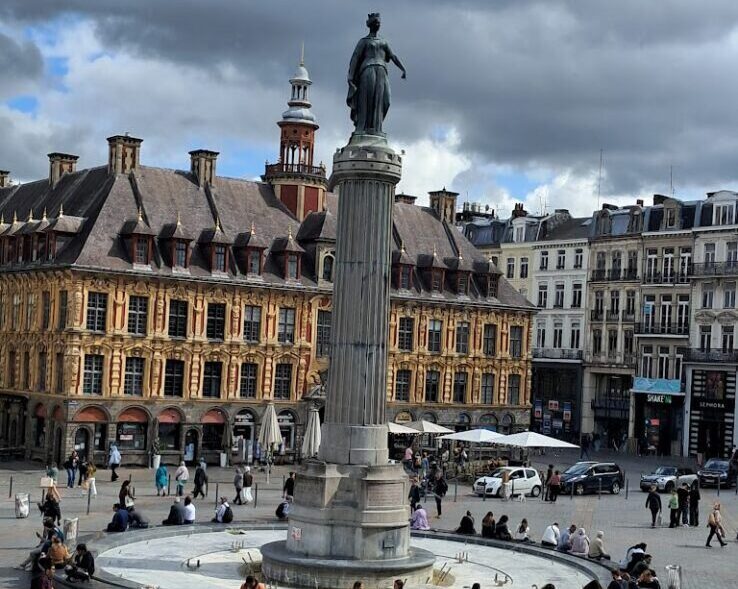
Lille listens with intimacy. From the moment I stepped into the Grand Place, the difference was palpable. The square was alive but not hurried. Locals lingered over coffee while the Flemish façades glowed in the morning light.
 A City of Quiet Charms
 A City of Quiet Charms
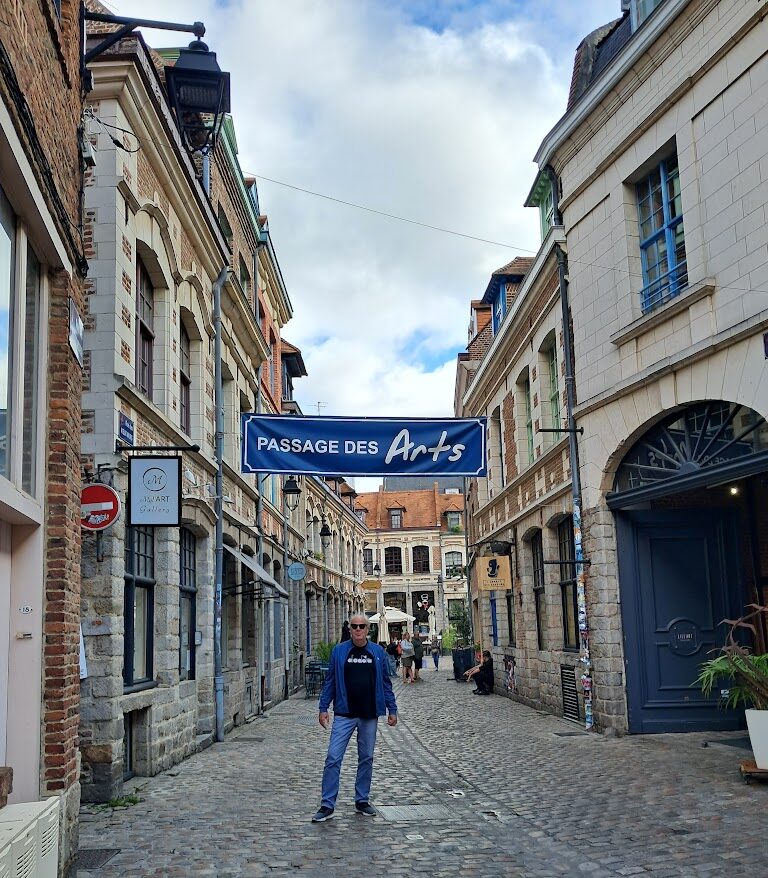
Wandering into Vieux Lille, I lost myself in cobbled alleys lined with pastel houses that leaned into narrow streets. Mostly free of traffic, they were a delight to walk around. Commerce seemed woven into daily life rather than staged for tourists.
Lille’s spiritual heart
I sought out the city’s spiritual heart. The Notre-Dame de la Treille Basilica rose with its translucent marble façade, glowing like alabaster at dusk—a blend of Gothic tradition and modern reinvention. Inside, the light shifted across the nave, breathing through stone. The Saint-Maurice Church, by contrast, held centuries of whispered prayers in its Gothic arches. I sat in silence, aware of my own heartbeat in the hush.
Art Without Frenzy
The rhythm carried me to the Palais des Beaux-Arts, Lille’s great treasure. After the Louvre, it is the second largest museum in France, yet it remains astonishingly unburdened by crowds. I walked through its grand halls, surrounded by Rubens, Goya, Delacroix, and Courbet, marveling at the scale and serenity. In one gallery, Flemish paintings glowed with the spirit of the region; in another, sculptures stood illuminated in quiet dignity. Unlike Paris, where art often feels like a race, Lille’s museum offered the gift of time.
Wandering through Parc de la Citadelle
And then, as if to seal the city’s invitation to linger, I wandered into the Parc de la Citadelle. Designed by Vauban, its star-shaped fortress still anchors the landscape, but the park itself is a green sanctuary. Joggers passed, and I found myself beneath tall trees, listening to the rustle of leaves.
My stroll, however, was interrupted by a sudden downpour—twenty minutes of heavy rain that swept across the park like a curtain. I ran for shelter and found it under an old stone arch, its weathered bricks holding centuries of storms. There, with droplets echoing against the stone and the smell of wet earth rising around me, Lille revealed another side of its character: resilient, intimate, and unexpectedly poetic. When the rain eased, the park glistened, and I stepped back into the open paths with a sense of renewal, as if the city had whispered a secret only to those willing to wait.